
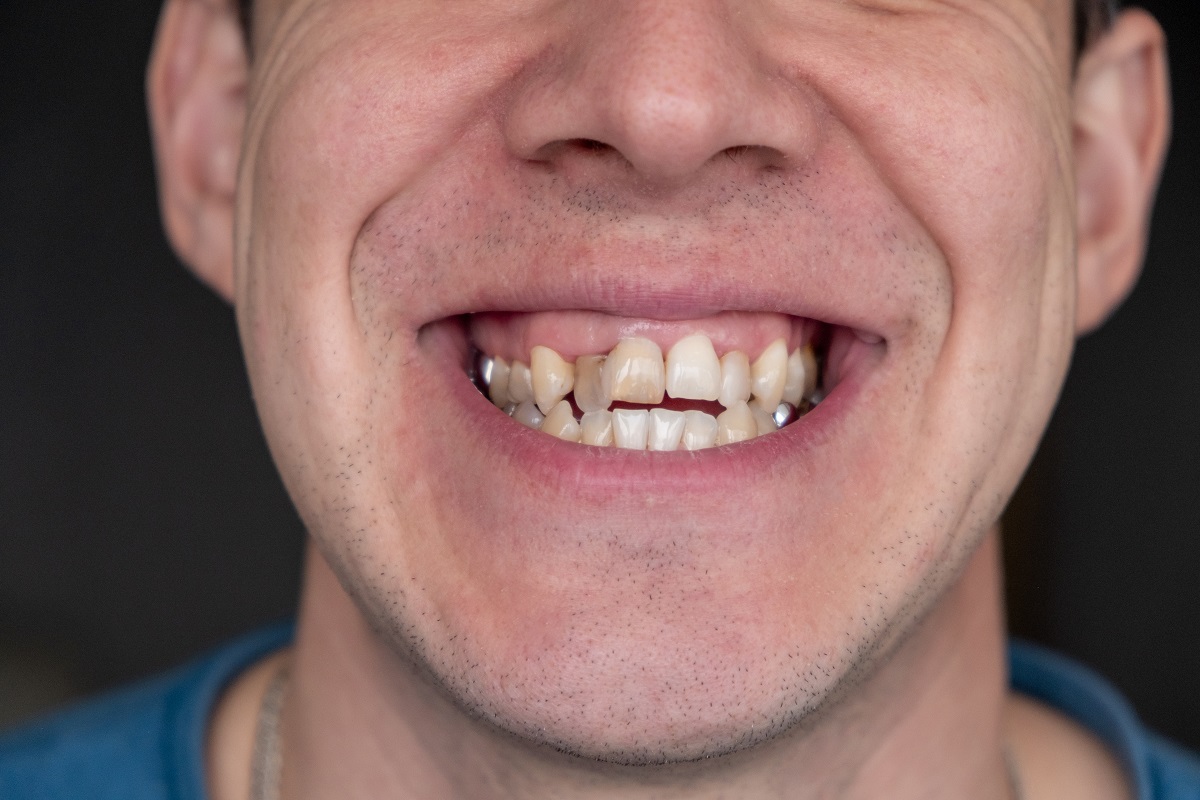
Why Are My Teeth Shifting as an Adult? A Guide for Hoover, AL Patients
Many adults in Hoover begin noticing subtle changes in their teeth over time—crowding in the lower front teeth, small gaps appearing between teeth, or a bite that suddenly feels different. These changes can happen even if you previously had braces or your teeth seemed perfectly aligned for years. Patients across neighborhoods near Brock’s Gap Parkway, Ross Bridge, and surrounding Hoover communities often ask the same question: why are my teeth shifting now?
Adult tooth movement is more common than many people realize. Natural aging, gum health changes, and bite pressure can gradually alter tooth positions. Understanding why this happens—and what solutions are available—can help you protect long-term oral health and avoid more complex dental issues. If you’ve noticed your teeth moving, this guide explains the causes, risks, and treatment options available for adults in Hoover, Alabama.
Why Teeth Can Shift During Adulthood
Teeth are not fixed permanently in the jawbone. Instead, they sit in a dynamic support system made of bone, ligaments, and surrounding tissues. Over time, several factors can influence that system and cause gradual movement.
Natural Aging and Jaw Changes
As people age, the jawbone and surrounding tissues slowly remodel. Even small structural changes can lead to mild crowding or alignment shifts. Research discussed by the American Dental Association notes that tooth position can gradually change throughout adulthood due to these natural biological processes.
Gum Disease and Bone Loss
Periodontal disease can weaken the structures that hold teeth in place. As bone support decreases, teeth may drift, tilt, or separate. According to the Centers for Disease Control and Prevention, nearly half of adults over 30 show some form of gum disease, which can contribute to tooth mobility and alignment changes.
Teeth Grinding or Bite Pressure
Habitual clenching or grinding—often during sleep—creates repeated force on teeth. Over time, this pressure may shift teeth slightly out of position or worsen existing misalignment.
Missing Teeth
When a tooth is lost and not replaced, neighboring teeth may begin drifting into the empty space. This process can affect the entire bite pattern and lead to additional alignment changes.
Not Wearing Retainers After Braces
Orthodontic relapse is another common reason teeth move in adulthood. After braces or aligners, retainers help maintain tooth positions. Without them, teeth may slowly return toward their previous alignment.
Signs Your Teeth May Be Shifting
Adult tooth movement often happens gradually. Patients typically notice changes such as:
- Increased crowding in the lower front teeth
- New or widening spaces between teeth
- A bite that feels uneven when chewing
- Teeth overlapping or rotating
- Changes in how dental floss passes between teeth
When these signs appear, an evaluation with a provider offering orthodontic care in Hoover can determine whether the movement is minor or part of a larger bite issue.
Why Do Teeth Shift in Adults?
Teeth can shift during adulthood due to natural aging, gum disease, grinding, missing teeth, or not wearing retainers after orthodontic treatment. These factors affect the bone and ligaments supporting the teeth, allowing gradual movement over time. Orthodontic evaluation can identify the cause and determine whether aligners, retainers, or other treatments may stabilize tooth positions.
Why Adult Tooth Movement Should Not Be Ignored
While minor shifting might appear cosmetic, alignment changes can impact oral health in several ways.
Increased Risk of Tooth Wear
Misaligned teeth may contact unevenly, leading to premature enamel wear.
Difficulty Cleaning Teeth
Crowded or overlapping teeth can make brushing and flossing less effective, increasing the likelihood of plaque buildup.
Bite Imbalance
Changes in tooth alignment may create uneven bite pressure, which can contribute to jaw discomfort or muscle strain.
Progression of Gum Problems
If gum disease is present, shifting teeth may signal worsening bone support that requires periodontal treatment.
Patients seeking adult orthodontic treatment in Hoover often discover that early correction prevents more complicated procedures later.
Solutions for Adults Experiencing Tooth Movement
The appropriate solution depends on the cause and severity of the shifting. Fortunately, several modern treatment approaches can address adult alignment changes effectively.
Clear Aligners
Transparent aligners gradually move teeth using a series of custom trays. Many adults prefer this option because the trays are removable and discreet.
Retainers
If shifting is mild, wearing a retainer may help stabilize teeth and prevent further movement.
Limited Orthodontic Treatment
Some cases require only minor tooth repositioning rather than full orthodontic correction.
Restorative Solutions for Missing Teeth
Replacing missing teeth with implants or bridges can prevent neighboring teeth from drifting.
Gum Disease Treatment
If periodontal disease is contributing to movement, treating the underlying infection is essential before orthodontic correction.
When Adults Should Consider an Orthodontic Evaluation
An orthodontic assessment may be helpful if you notice:
- Teeth becoming crowded or crooked
- Changes in bite alignment
- Shifting after previous braces
- Difficulty maintaining oral hygiene because of the tooth position
Providers offering Hoover orthodontic services can evaluate jaw structure, gum health, and bite alignment to determine the most appropriate approach.
How Adult Orthodontic Care Differs From Treatment for Teens
Adult orthodontic care focuses on preserving existing dental health while correcting alignment. Several considerations are unique to adult patients:
- Jaw growth has already completed
- Existing dental work (crowns or fillings) must be considered
- Gum health plays a significant role in treatment planning
- Bite forces and lifestyle factors can affect stability
With modern imaging and digital treatment planning, many adults complete orthodontic correction with minimal disruption to daily routines.
Protecting Your Teeth From Future Shifting
Even after treatment, maintaining tooth alignment requires consistent habits.
- Wear retainers as directed after orthodontic treatment
- Maintain regular dental cleanings and gum health evaluations
- Address grinding with protective appliances if needed
- Replace missing teeth to preserve bite balance
These steps help maintain stable tooth positions and reduce the chance of future shifting.
If you’ve noticed changes in how your teeth fit together or align, an evaluation can clarify what’s happening and what solutions may help. The team at Brocks Gap Orthodontics provides consultations for adults who want to understand the cause of tooth movement and explore modern orthodontic treatment options.
Early assessment can help prevent more complex dental issues and restore comfortable bite alignment. Contact Brocks Gap Orthodontics to schedule an appointment and discuss the next steps for protecting long-term oral health.
FAQ: Adult Teeth Shifting
Yes. Teeth can gradually shift due to aging, bite pressure, and changes in the jawbone. However, noticeable movement should be evaluated by a dental professional.
Yes. Without long-term retainer use, teeth may slowly move back toward their original positions. Retainers help maintain alignment.
Yes. Gum disease can weaken the bone and ligaments supporting teeth, allowing them to move or loosen.
In many cases, clear aligners can reposition mildly to moderately shifted teeth and restore proper alignment.
Tooth movement usually occurs gradually over months or years, although gum disease or missing teeth can accelerate the process.